


Soltane Horticulture Vocational Training
Equipping Adults with Intellectual Differences with the Skills and Experience to Join the Horticulture Workforce.
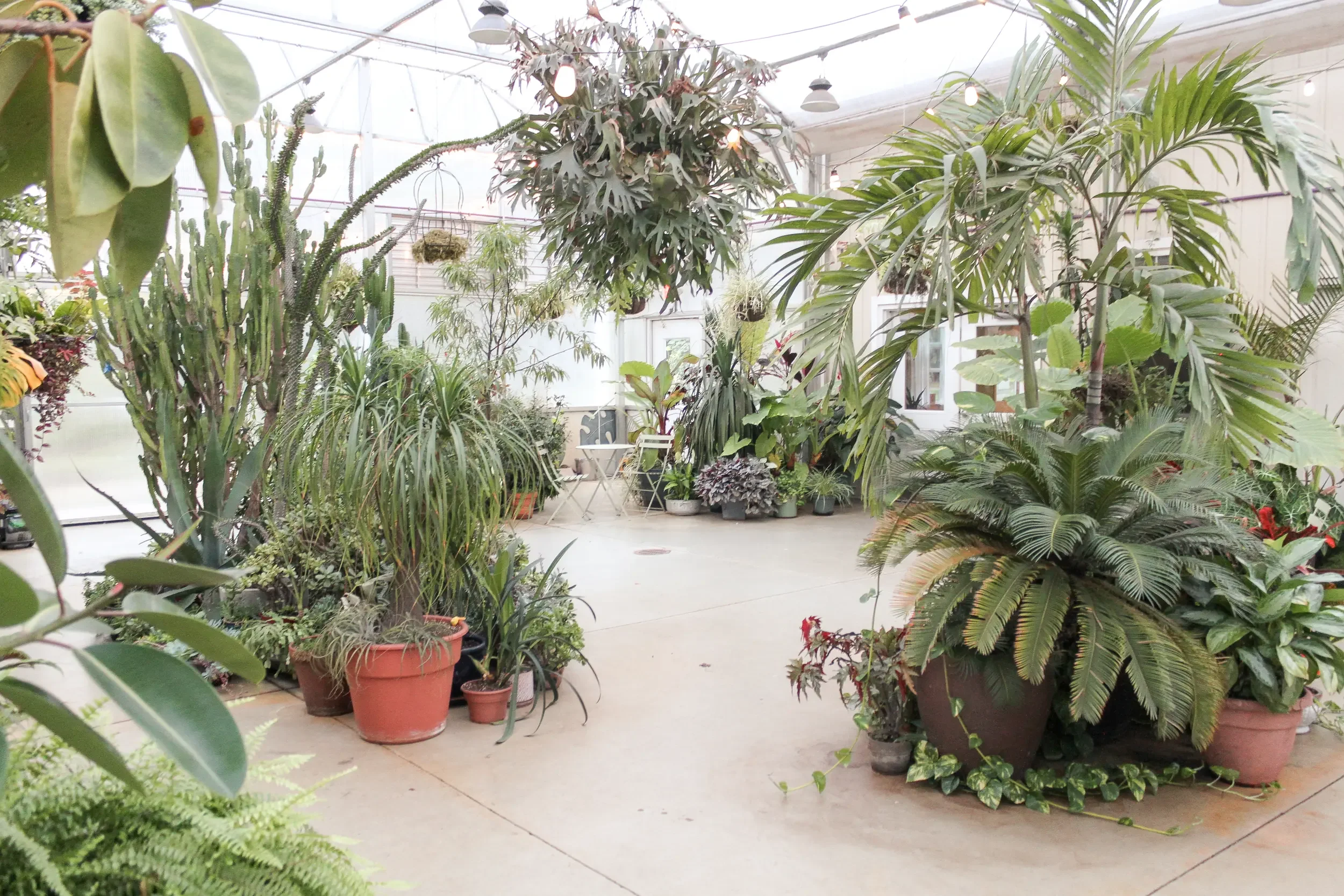
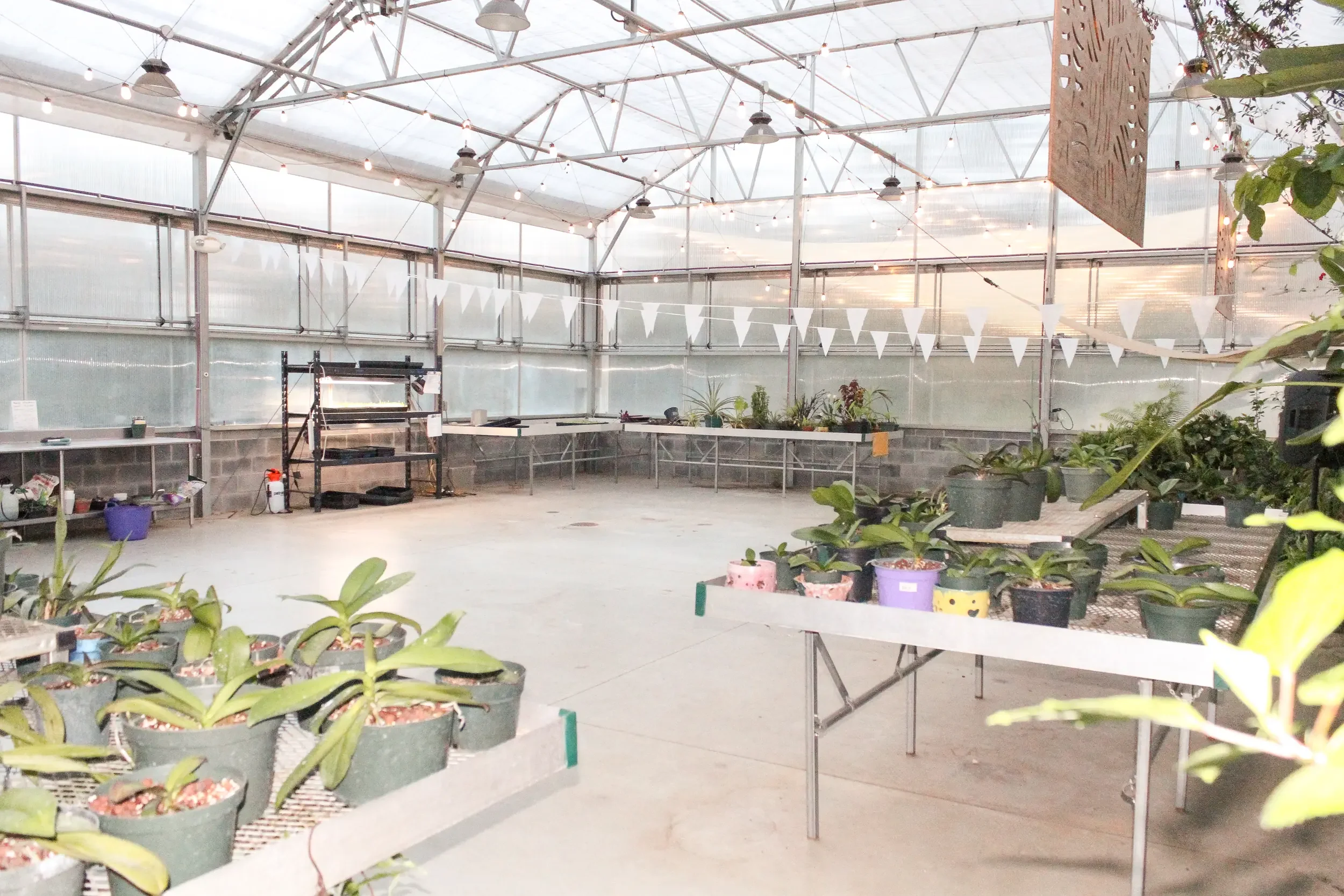
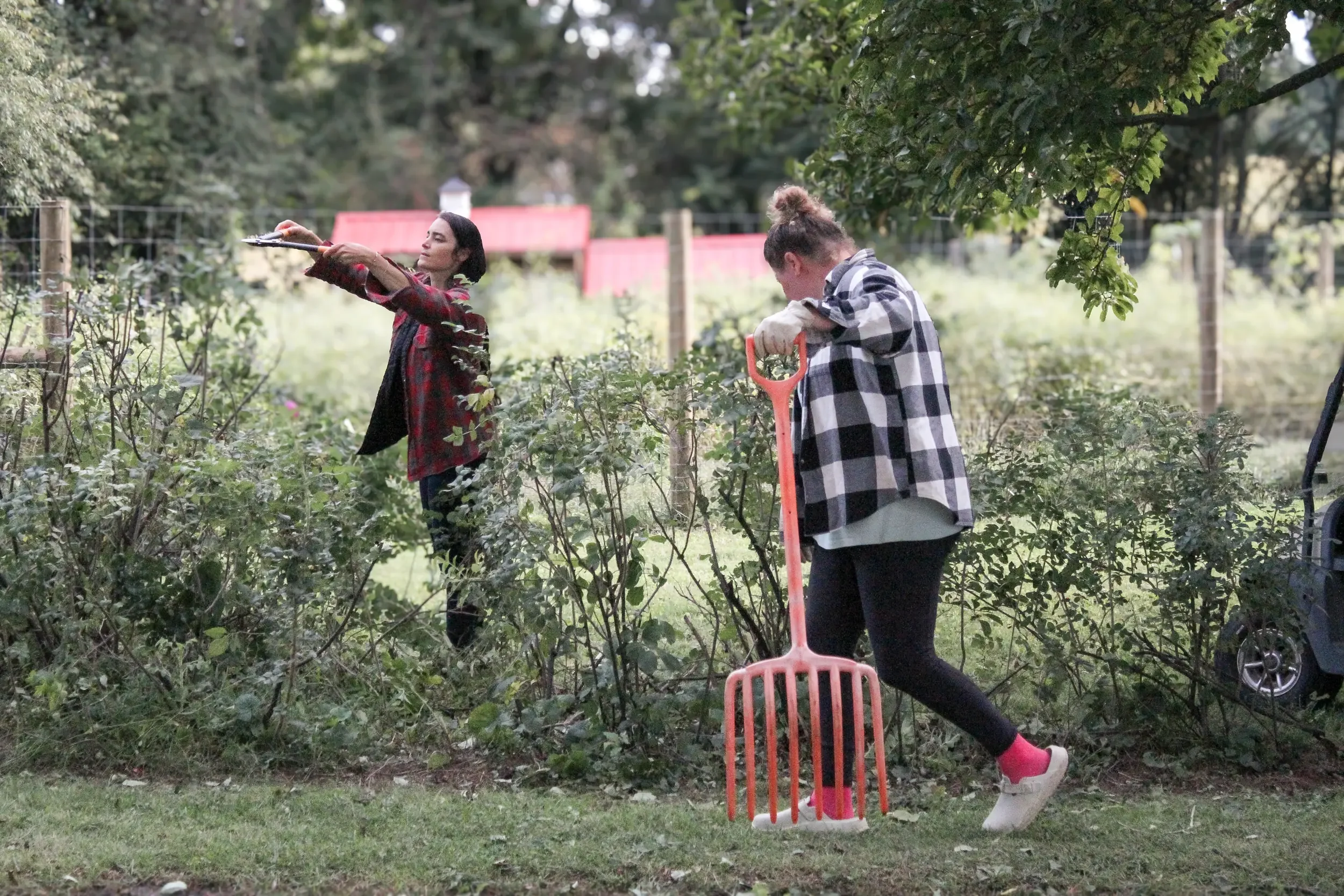
This accessible course is designed to nurture abilities of every kind by developing horticultural job-ready skills in a patient and nurturing community that honors each individual’s strengths. Students will spend time learning and working directly in Camphill Soltane’s fruit orchards, herb and vegetable gardens, and ADA accessible state-of-the-art greenhouse. Trainees will focus on practical transferable skills used in the workplace through repetition, visual learning, supportive instruction, job shadowing, and hands-on practice. Graduates will leave with the strong foundational knowledge needed to gain paid meaningful positions and the confidence to flourish in the horticulture industry.
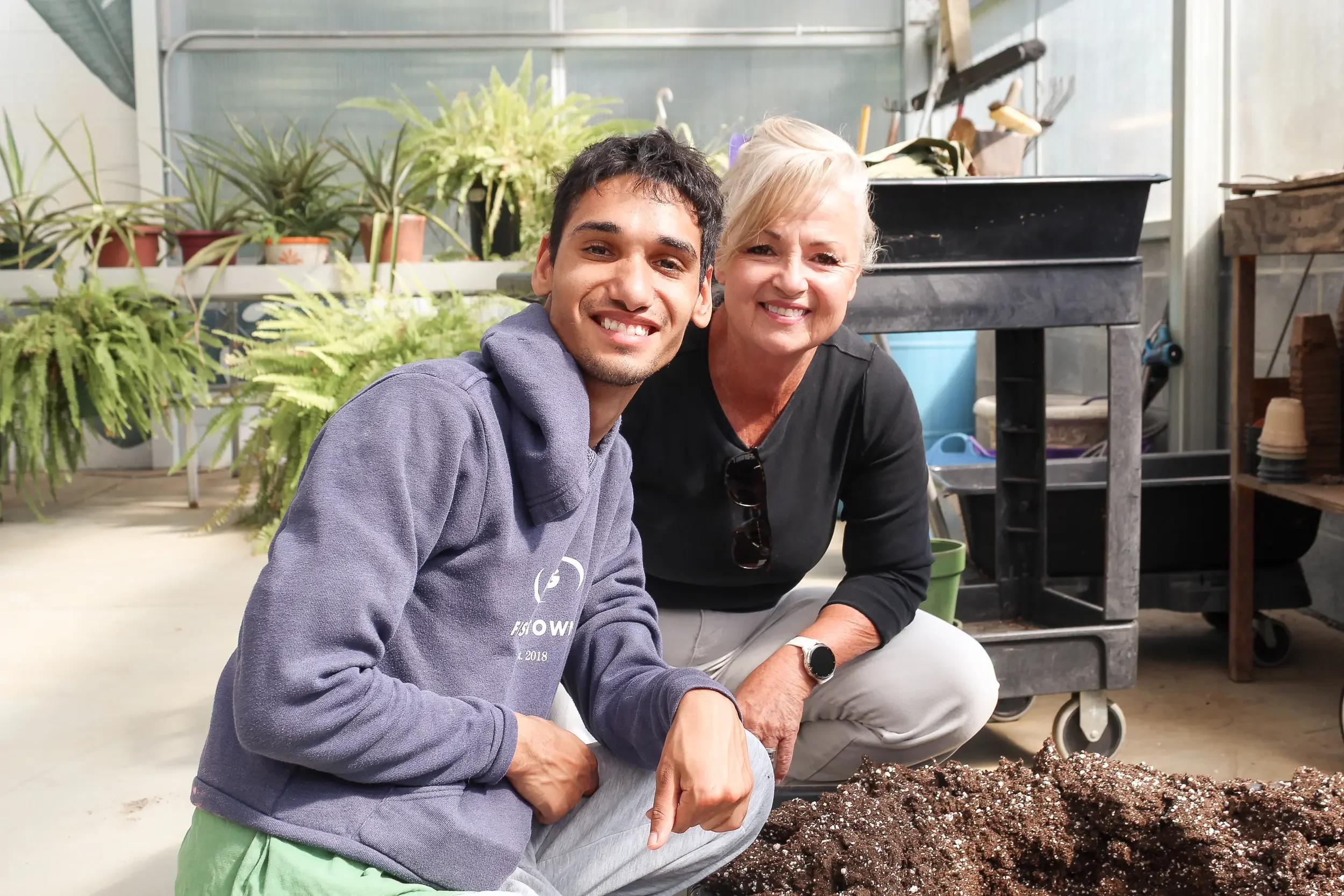
Real-World Skill Building
Landscaping, Greenhouse Production, Garden Design Career Paths
Giving Back to the Community
Individualized Instruction
Horticulture Vocational Training Curriculum & Program Details
-
Plant Biology
Plant Identification
Soil Science & Amendments
Propagation
Planting Techniques
Pest & Disease Management
Irrigation Systems & Water Conservation
Pruning, Mulching, & Harvesting
Sustainable & Organic Practices
-
Inventory
Customer Service
Teamwork
Time Management
Record-Keeping
Marketing
Resume Writing
Interview Skills
Bi-Weekly Skill Assessments
-
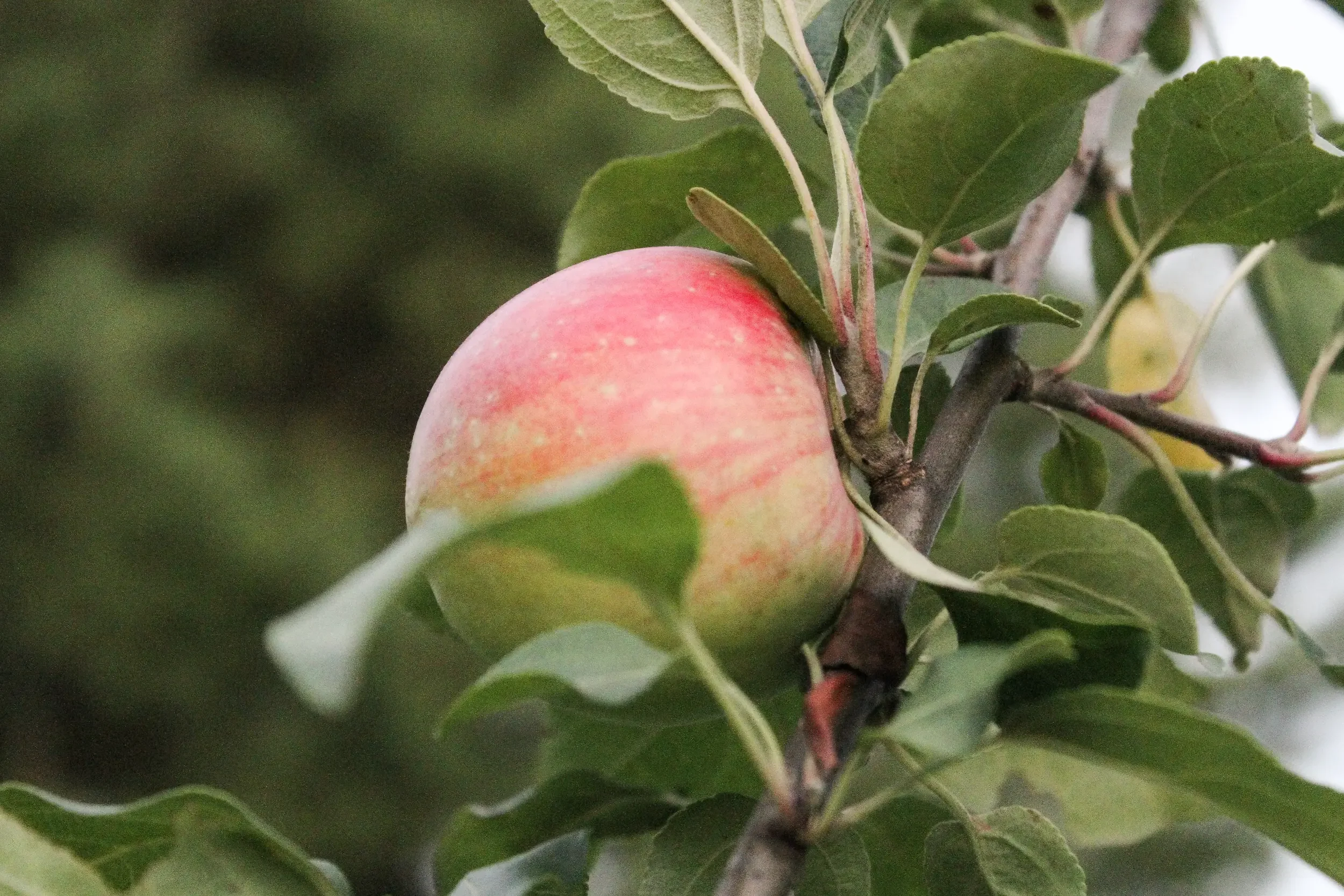
On-Site Apple & Cherry Orchard & Berry Grove
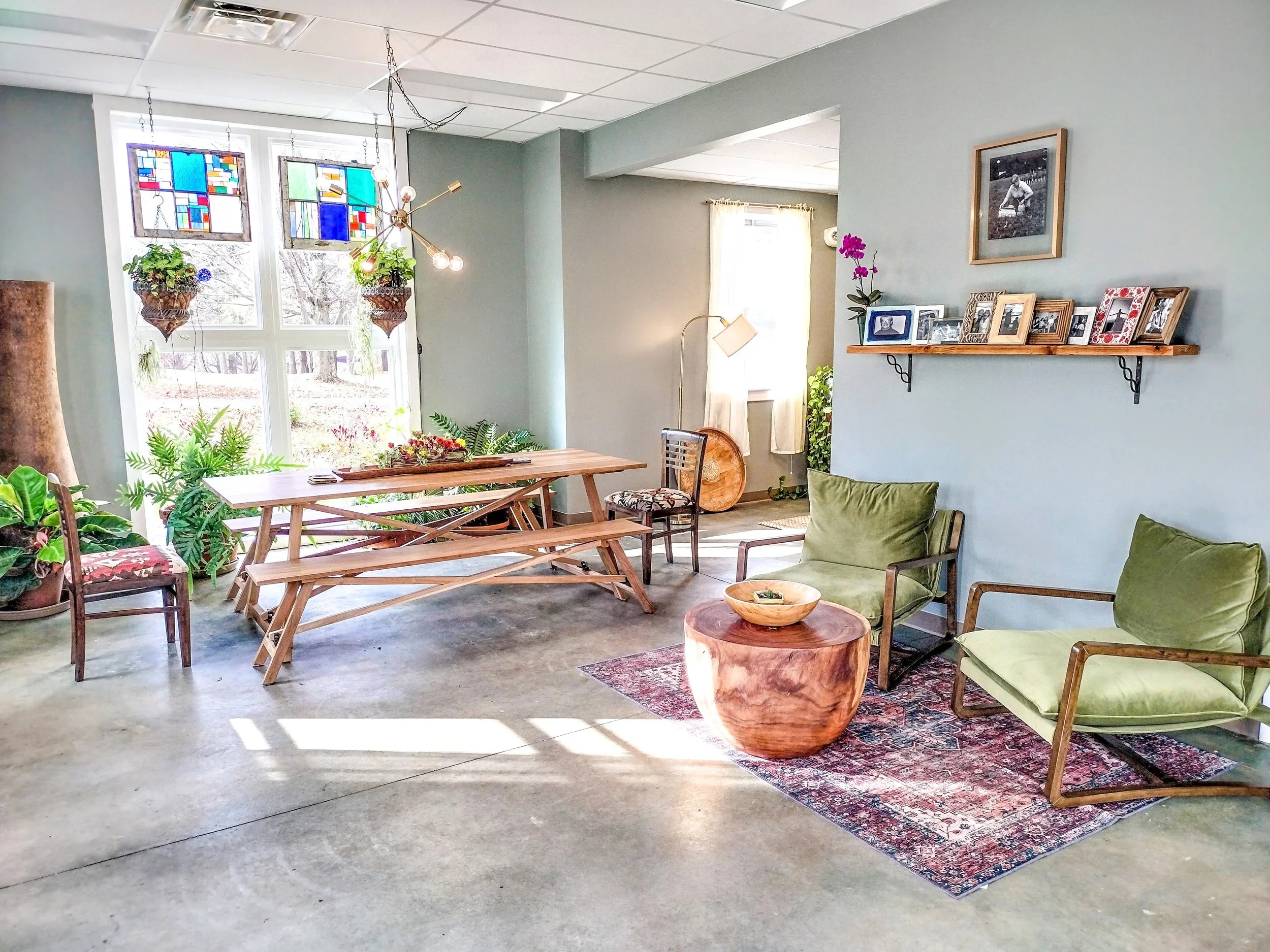
ADA Accessible Greenhouse, Classroom, & Restrooms
Adaptive, Ergonomic, & Sensory Friendly Tools & Equipment
Indoor Planting Tables & Outdoor Raised Beds
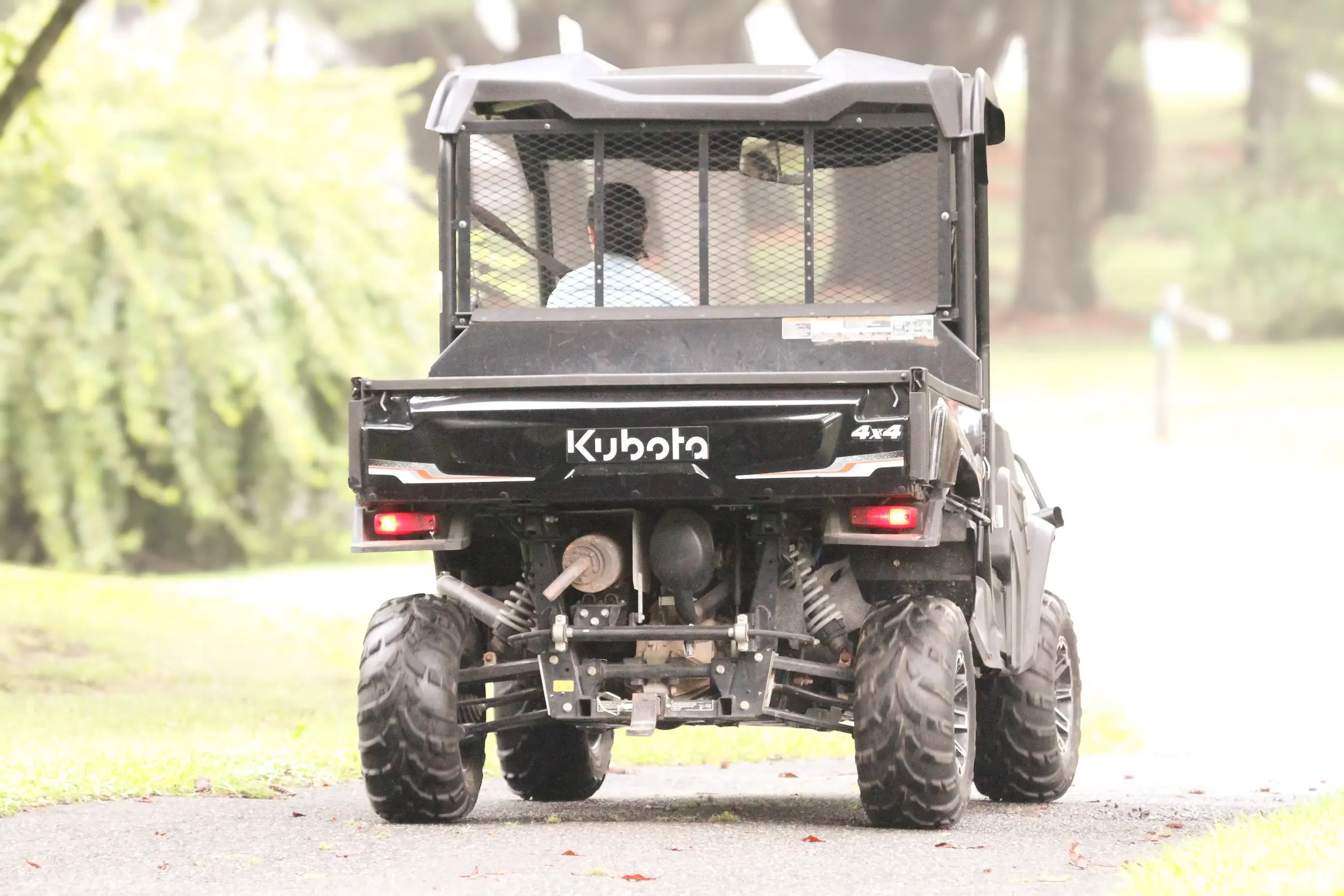
Golf Cart Transportation Capability
Intimate Class Sizes
-
Neurodiverse-Friendly Approaches: You’ll receive personalized guidance, clear instruction in start, stop, and transition cues, instructor modeling, and visual aids in sensory-friendly spaces from experienced staff.
Flexible Pacing: Modular lessons are readily available with routines, sensory breaks, transition prompting, and paced instruction for different learning speeds.
-
Camphill Soltane’s microgreens initiative integrates hands-on agricultural training, entrepreneurship, and inclusive employment into our vocational programming. Participants learn the full production cycle of microgreens, from seeding and growing to harvesting, packaging, and preparing products for sale. This enterprise is woven into our broader horticulture vocational training as well as offering a specialized microgreens class that provides focused instruction in sustainable growing practices, crop care, and small-scale business operations. We sell our product at local grocery stores, to partnering restaurants, and at our seasonal farm stand on campus.
Now Stocked At Kimberton Whole Foods! View kimbertonwholefoods.com
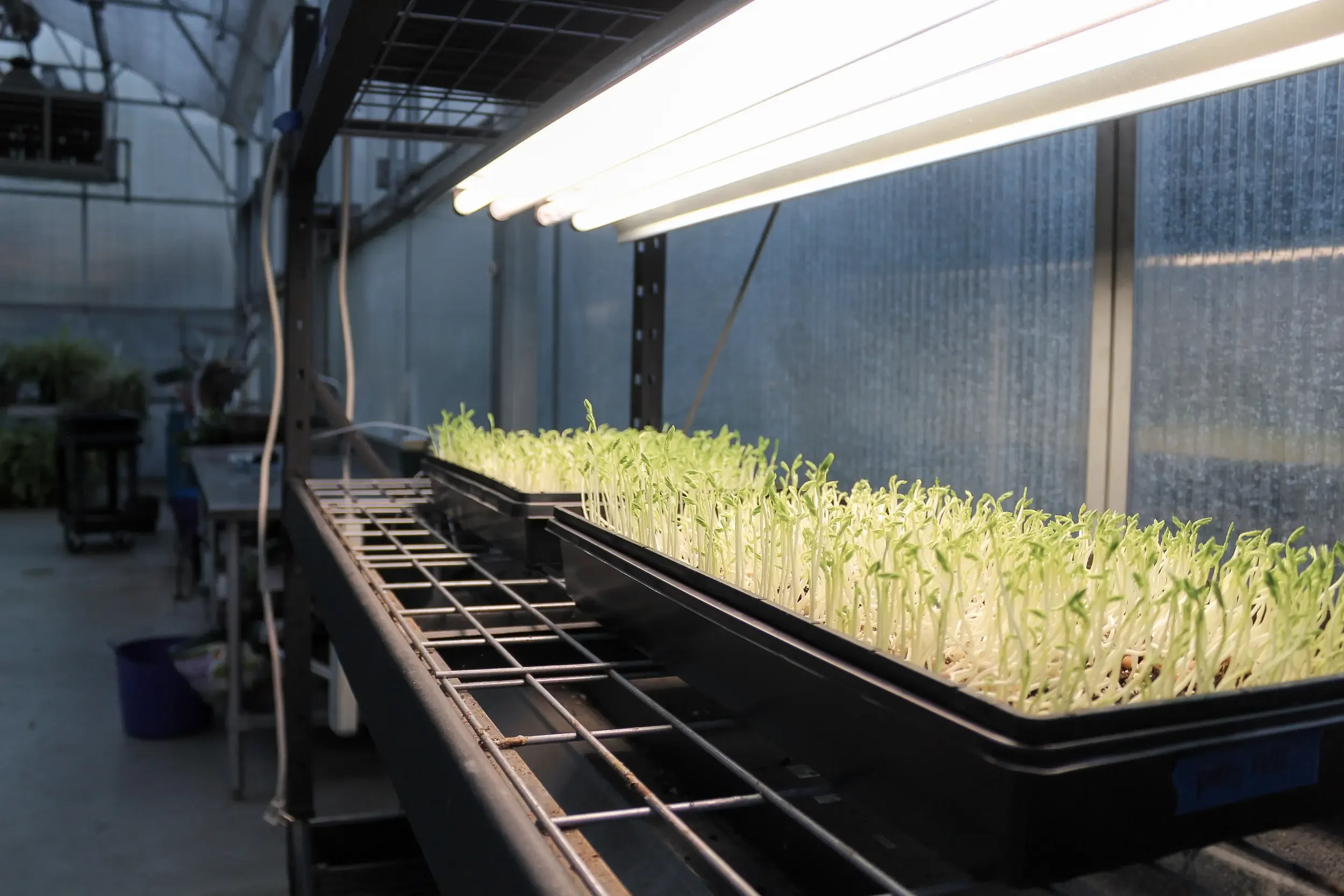
Growing Skills.
Reaching Customers.
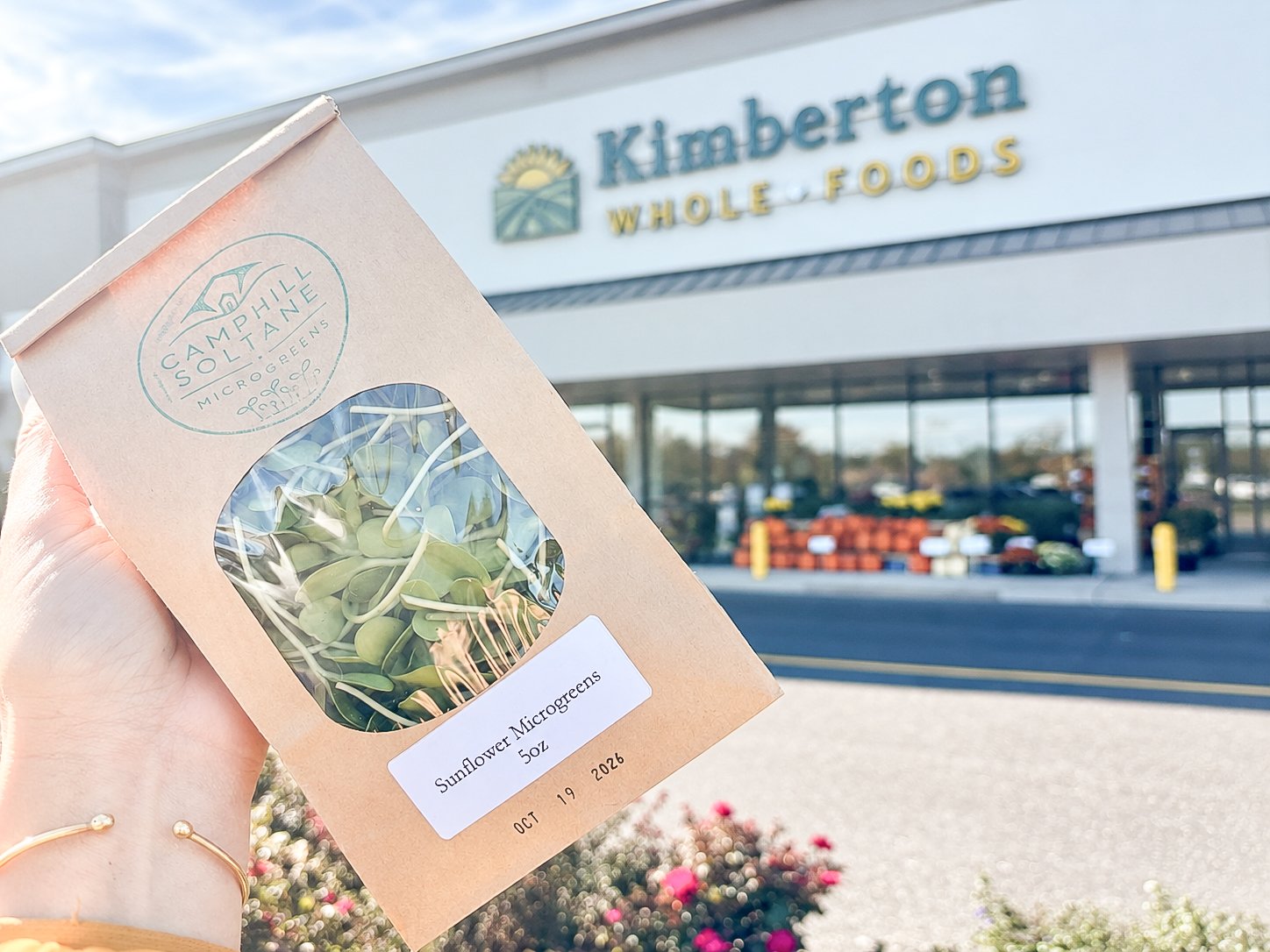
Fresh Microgreens at Kimberton Whole Foods
One of our course highlights is the hands-on experience students gain in our microgreens production process. From seeding and nurturing young plants to harvesting, packaging, and preparing fresh products for shelves at Kimberton Whole Foods, students develop valuable workplace skills in mass planting production, quality control, food safety, and developing commercial retail relationships.
The Classroom
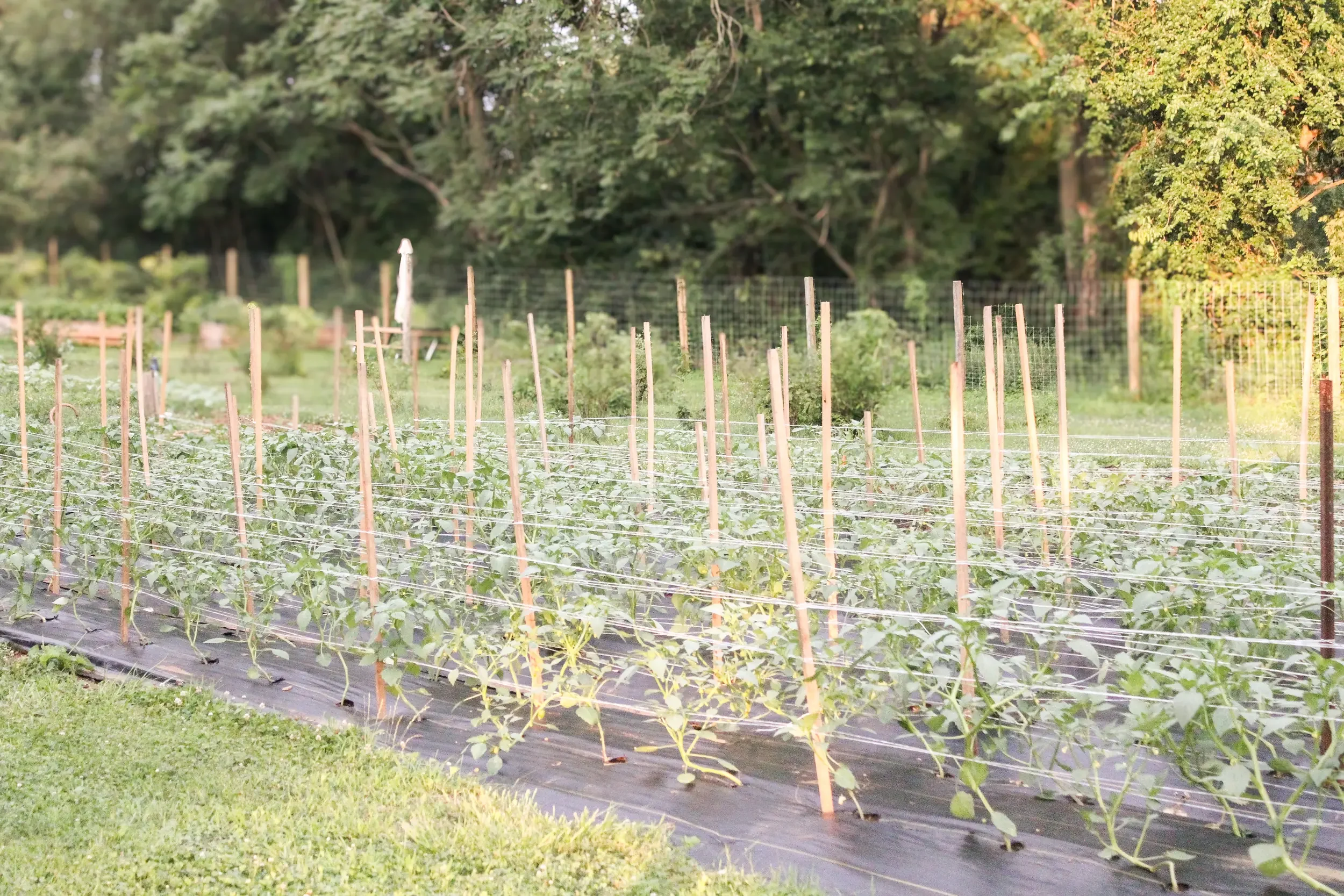
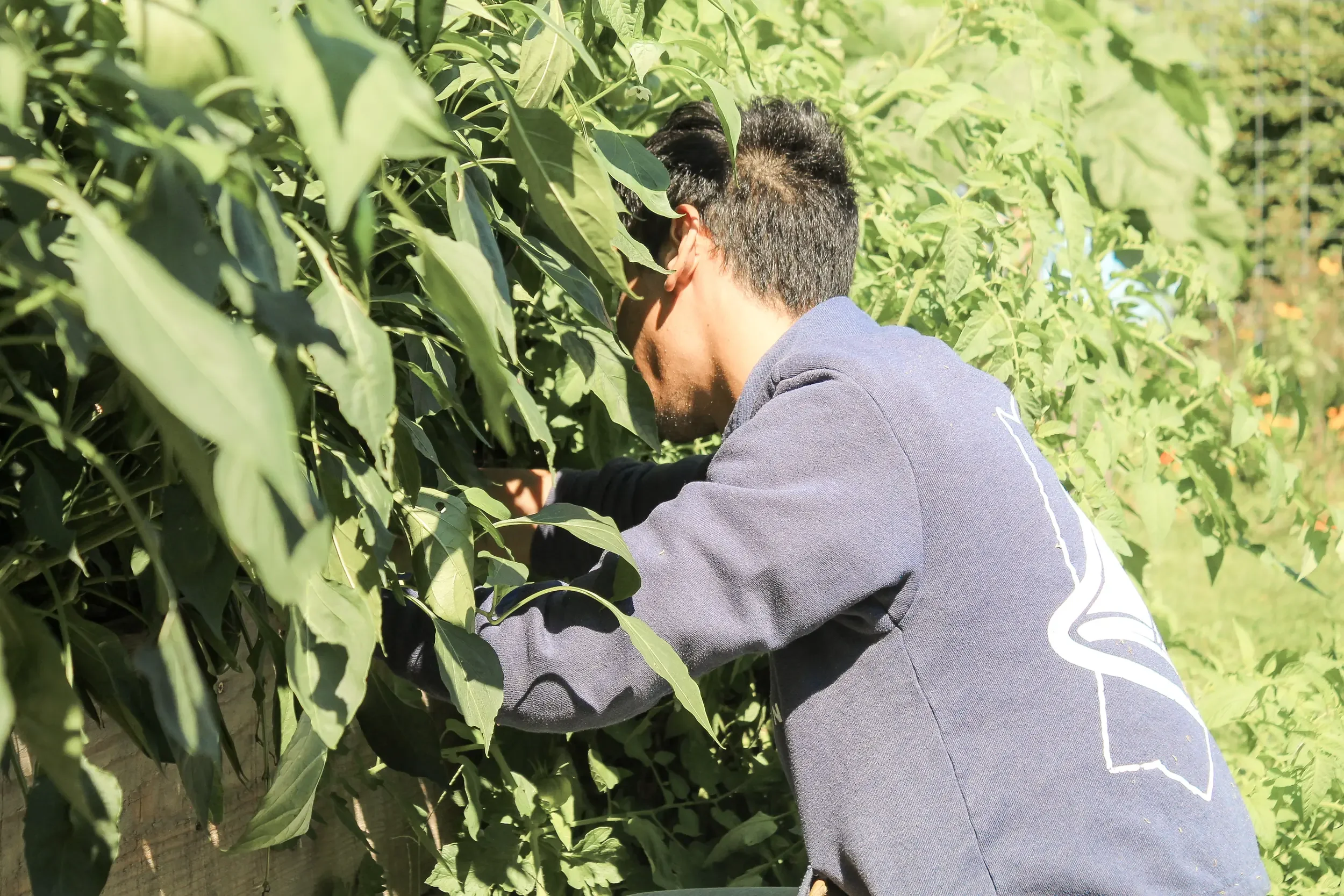
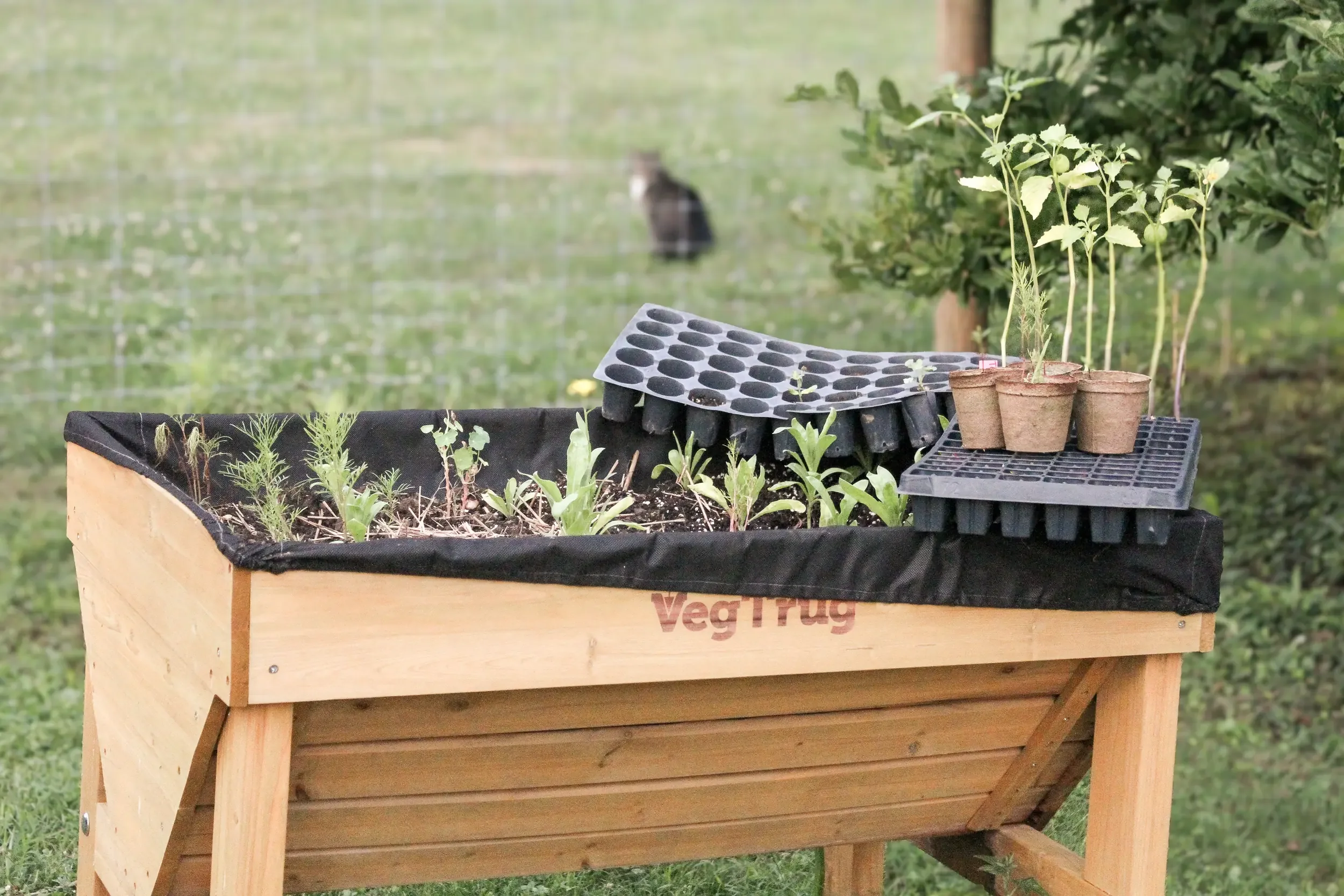
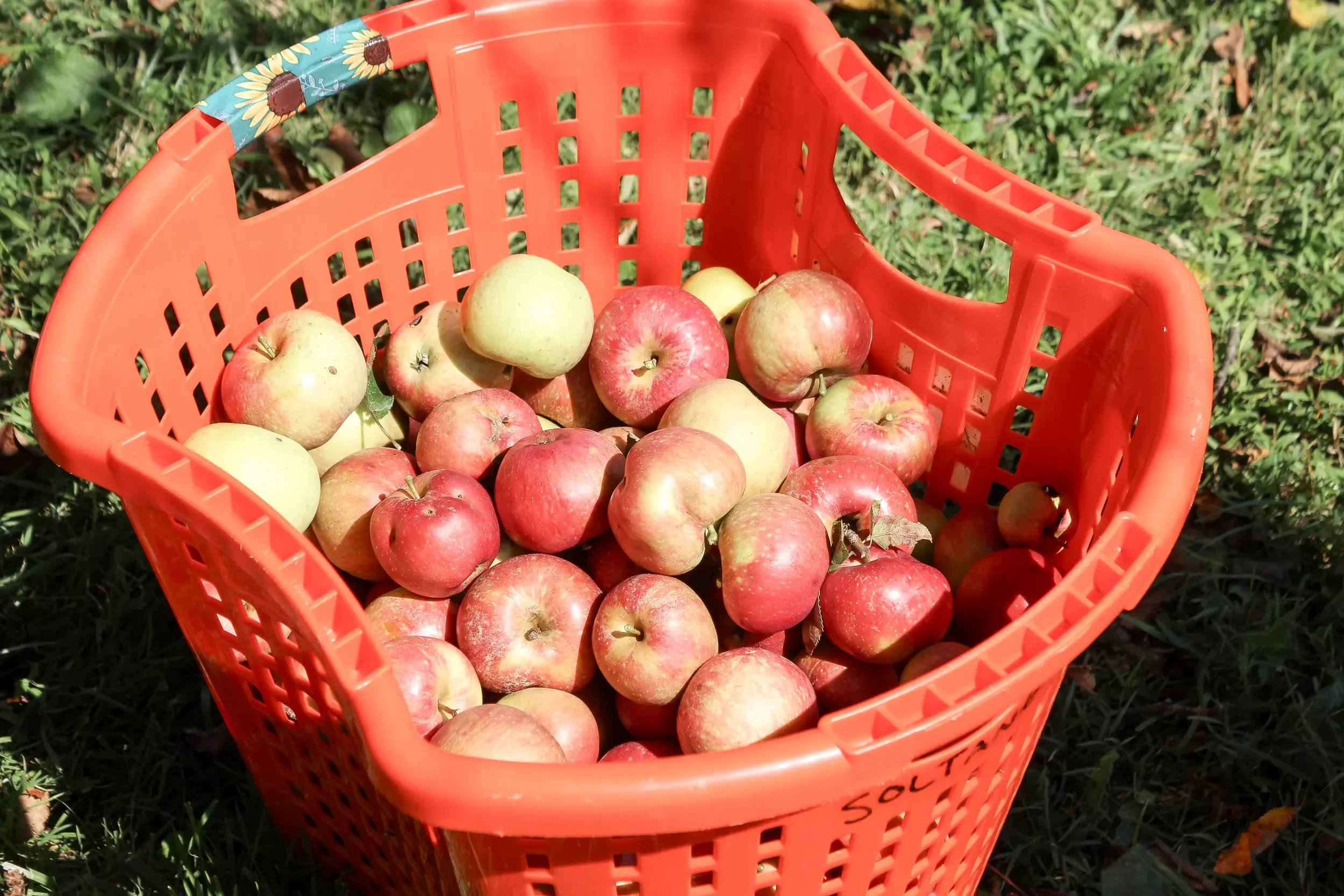
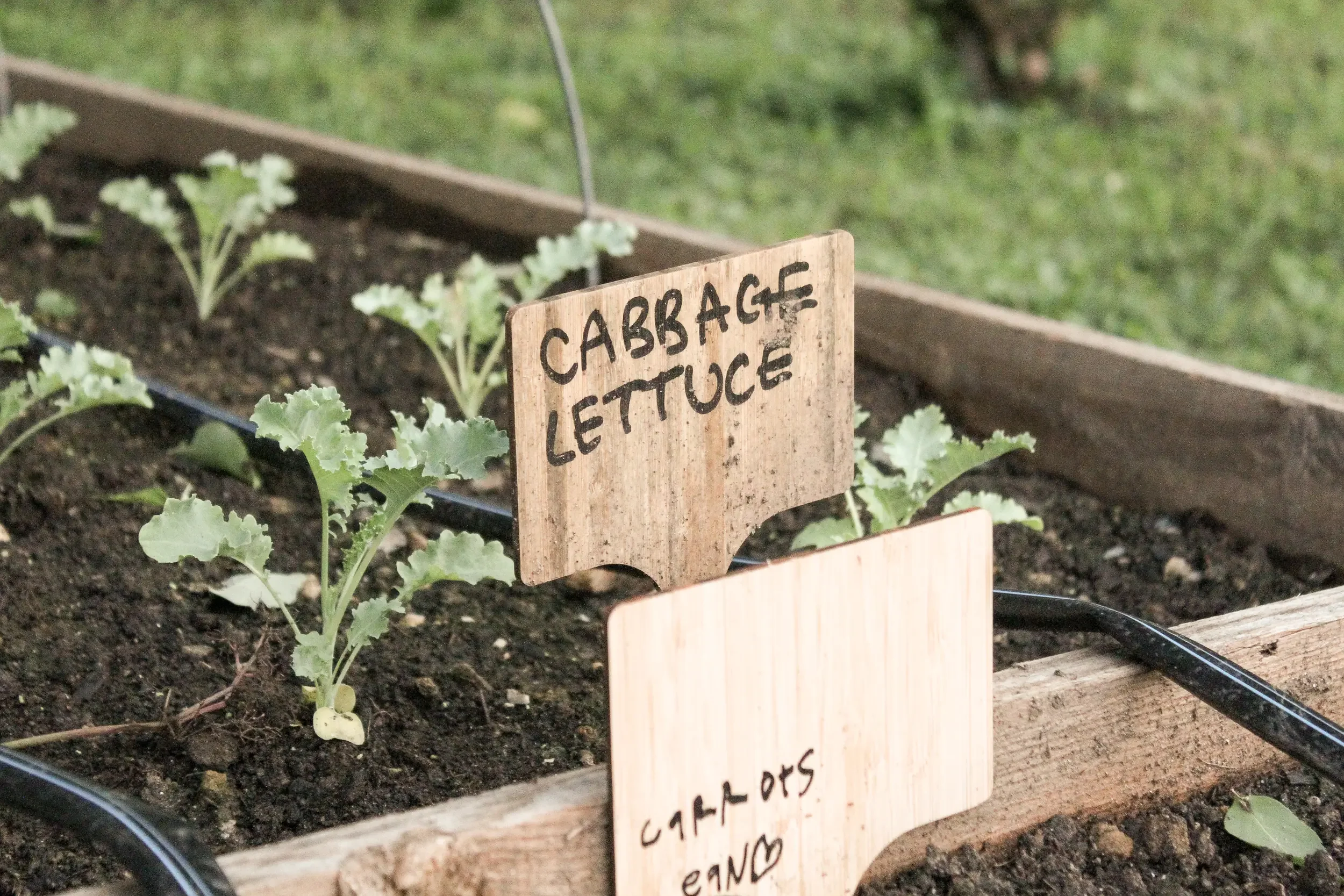
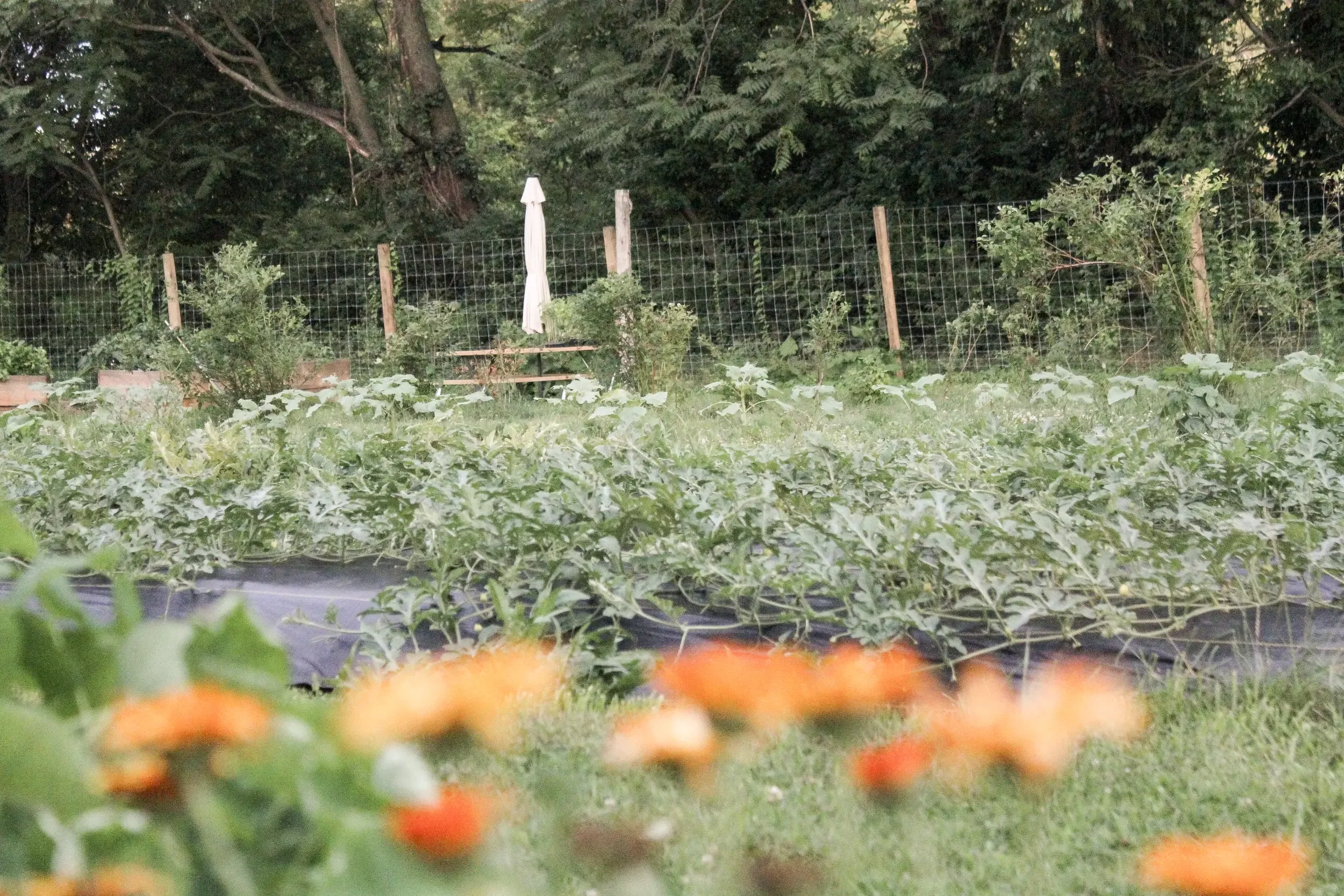
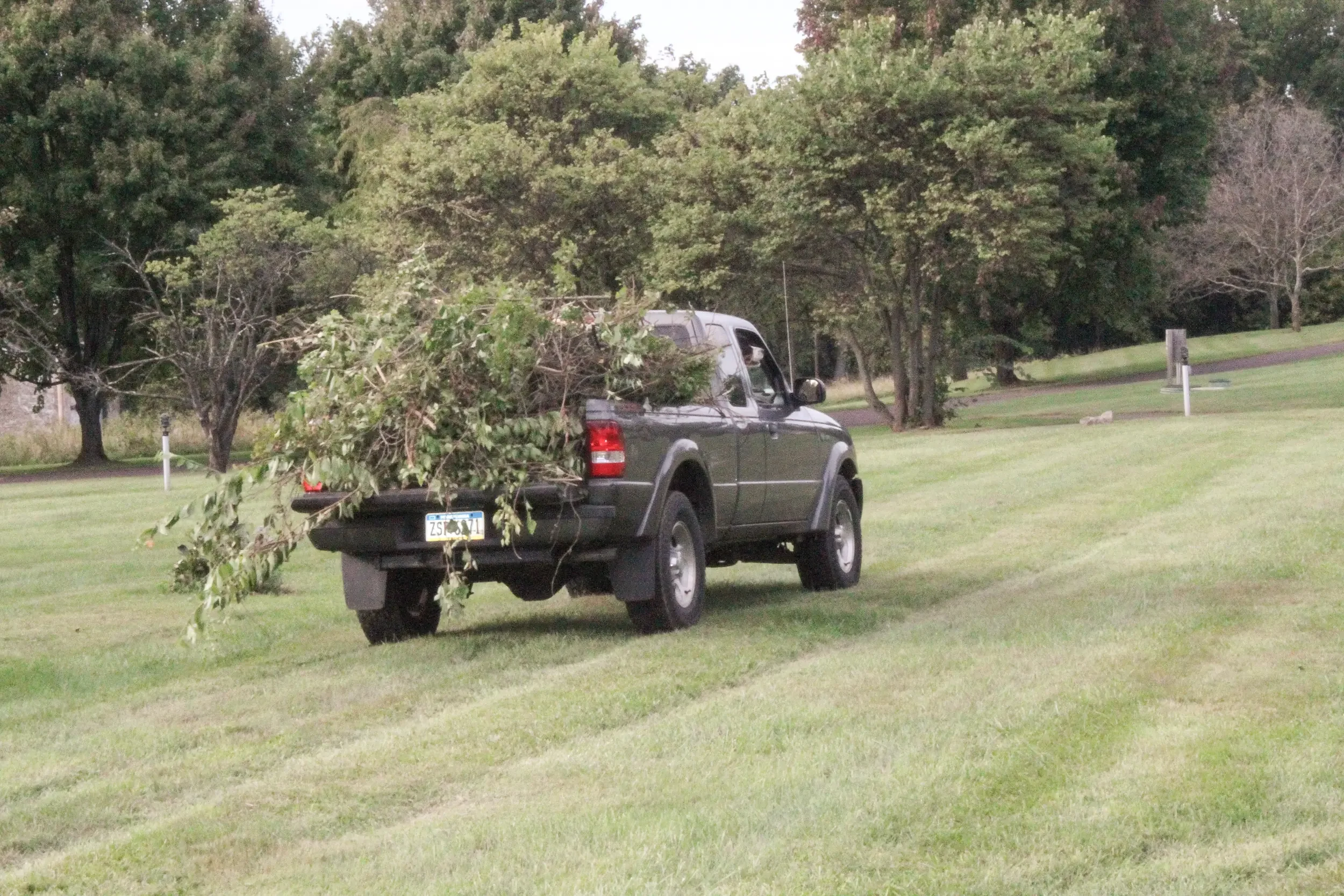
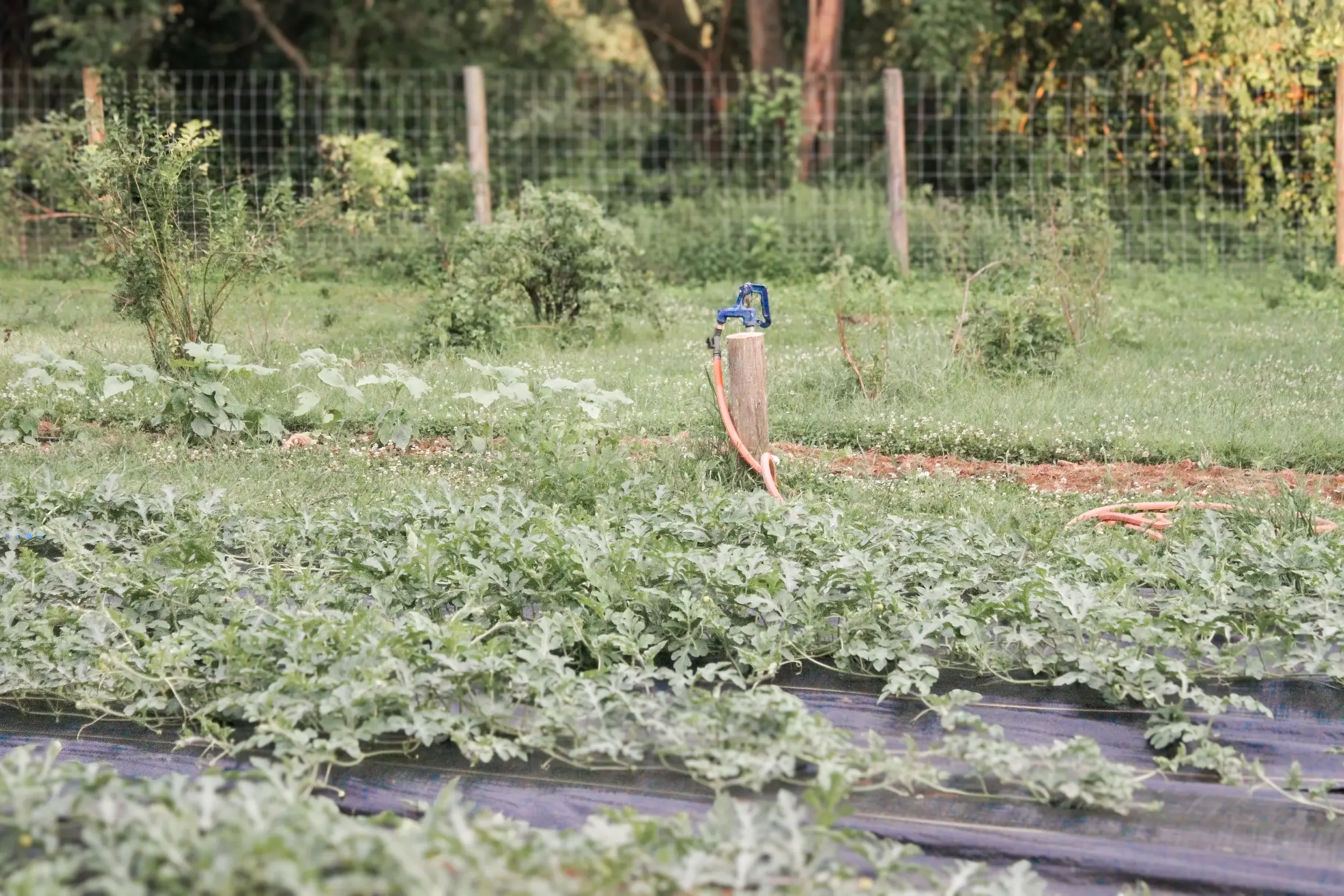
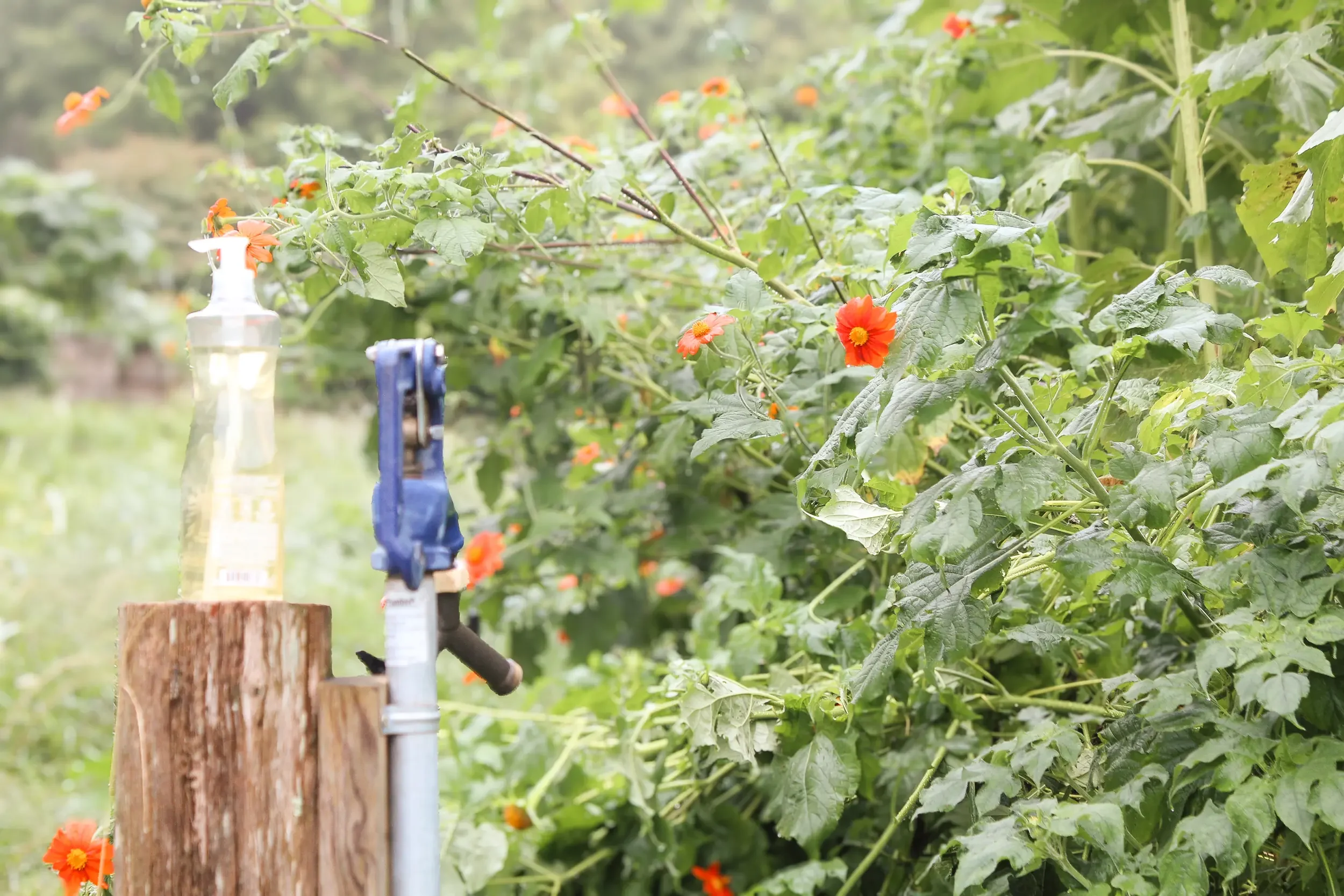
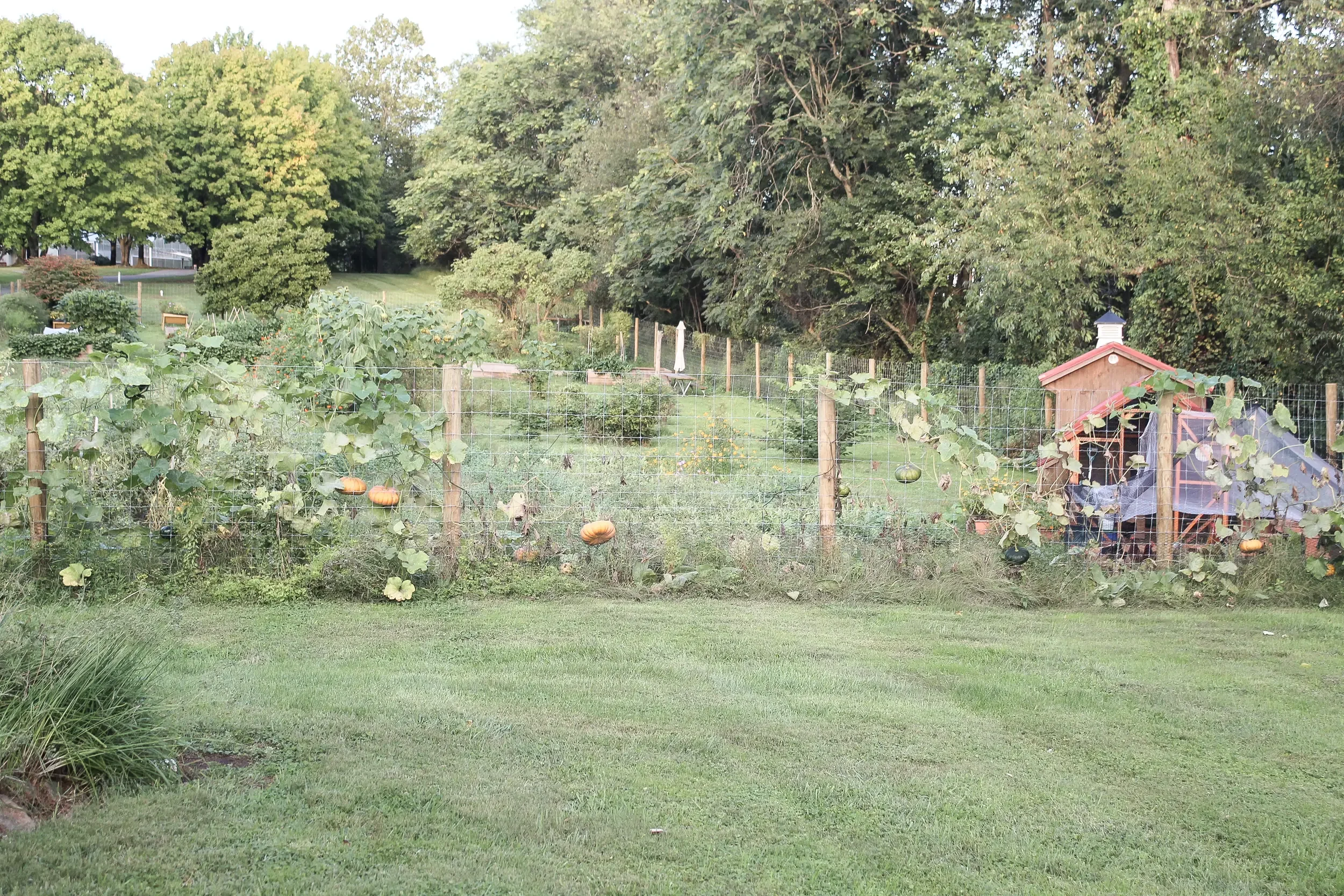
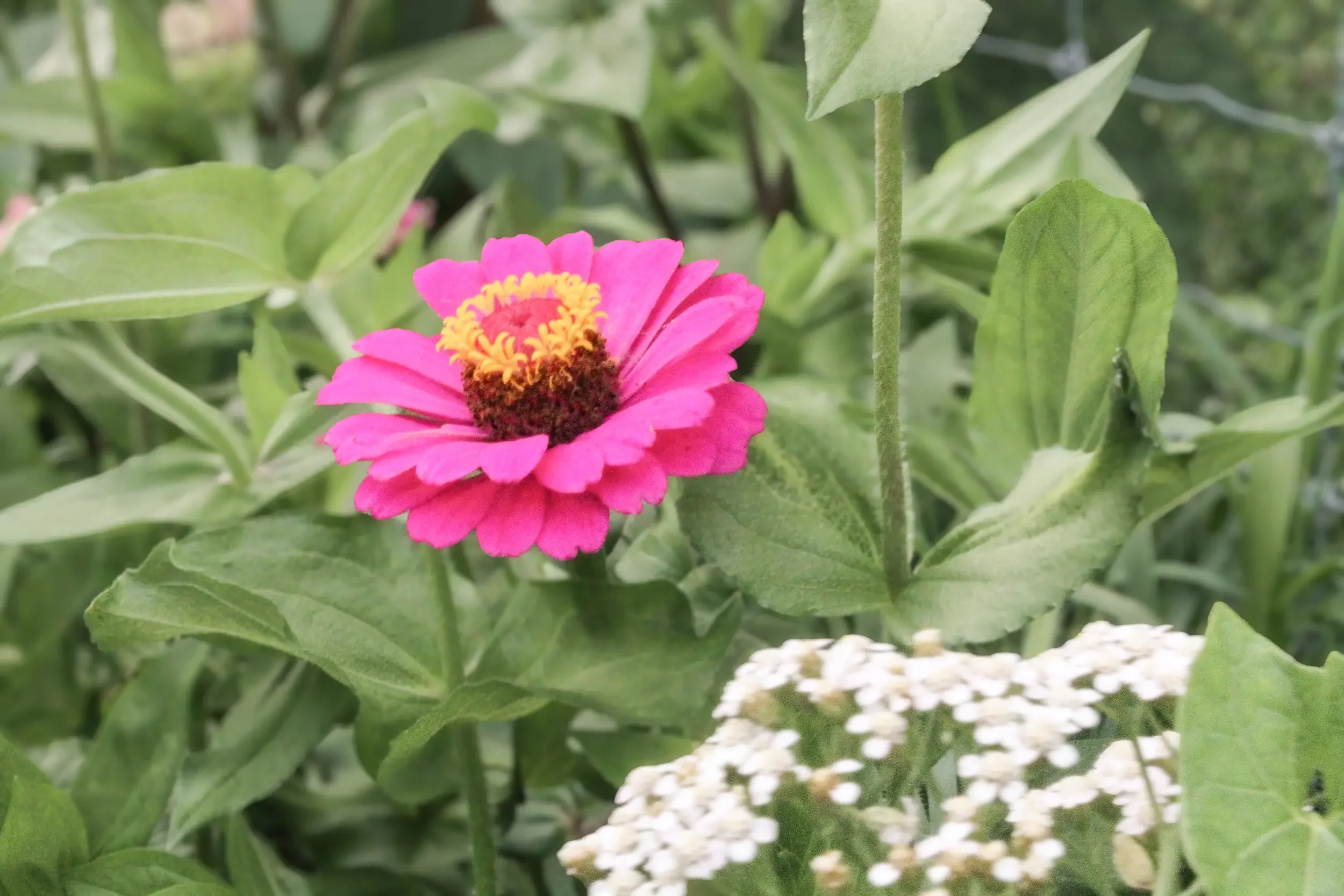
All classes take place in our GREENHOUSE, GARDENS, & ORCHARD
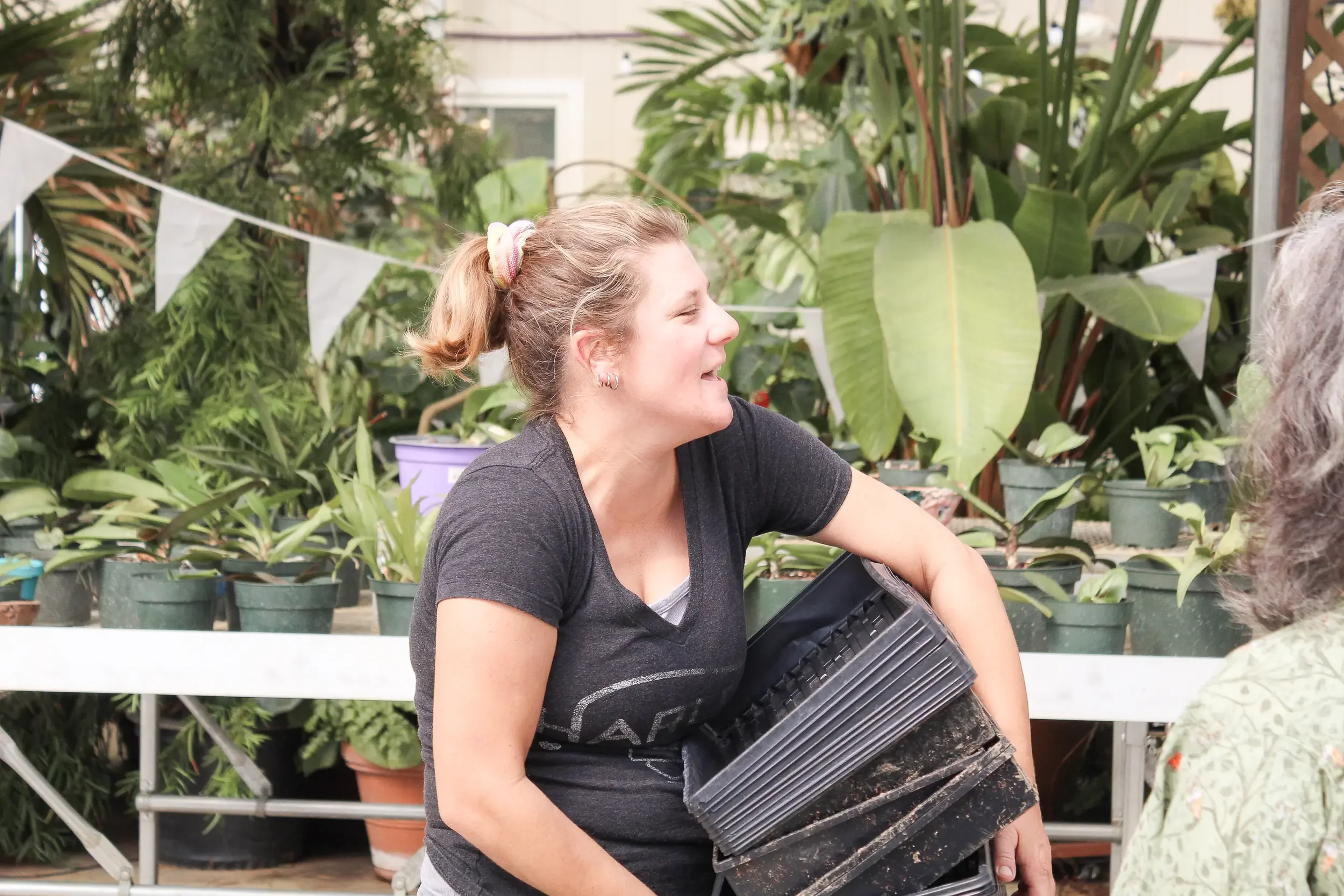
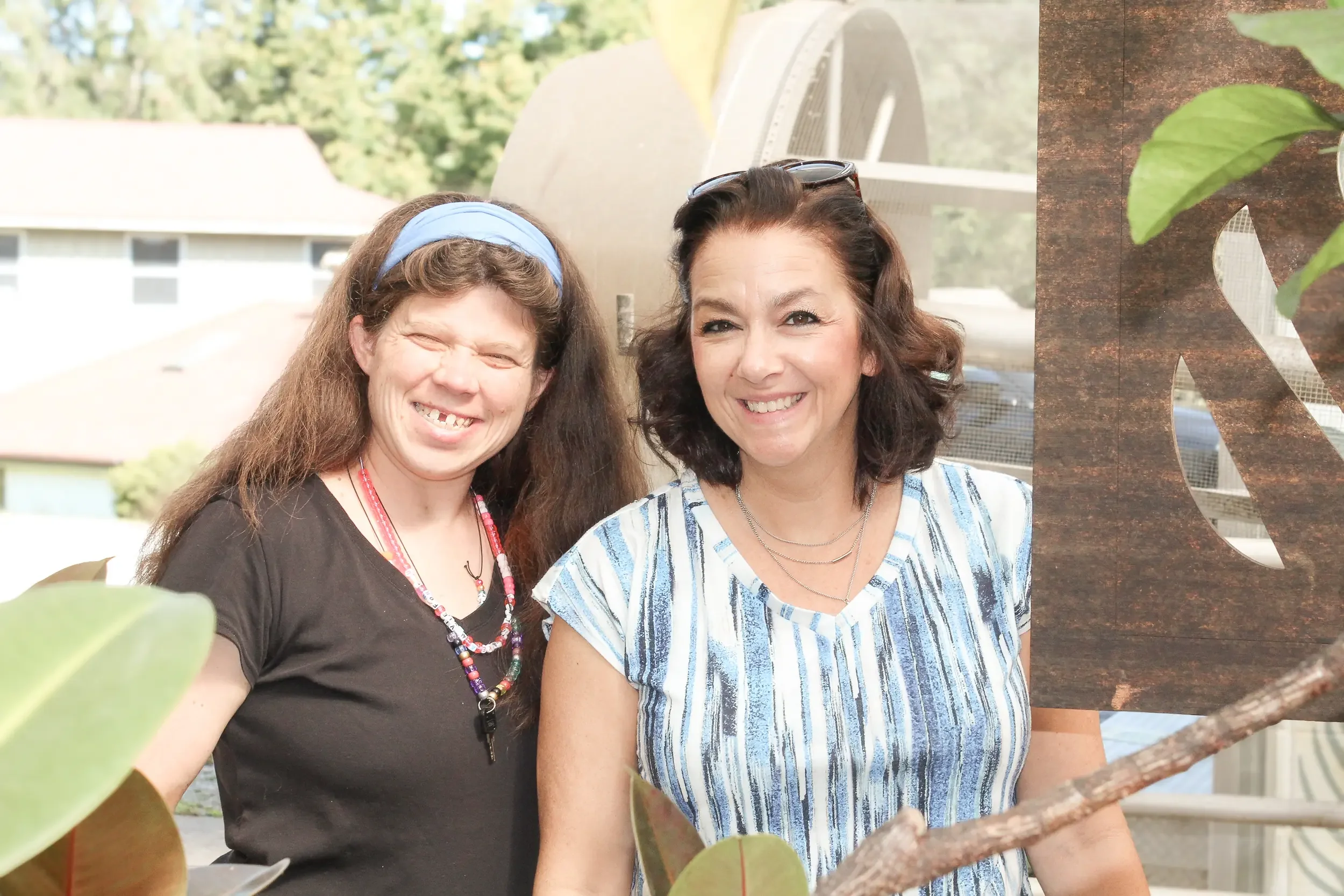


Meet Our Instructors
-
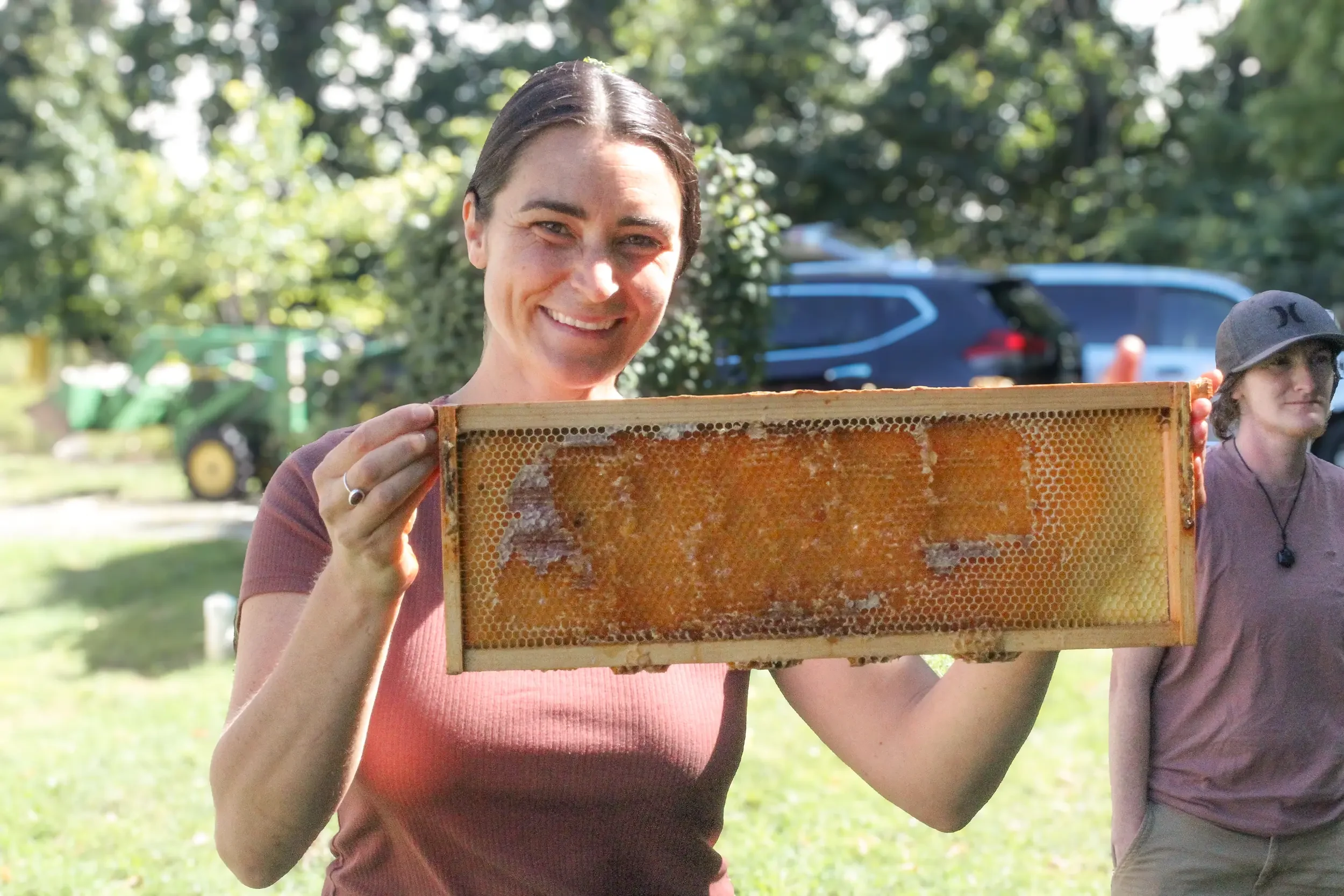
Alyssa
Horticulture Director
-
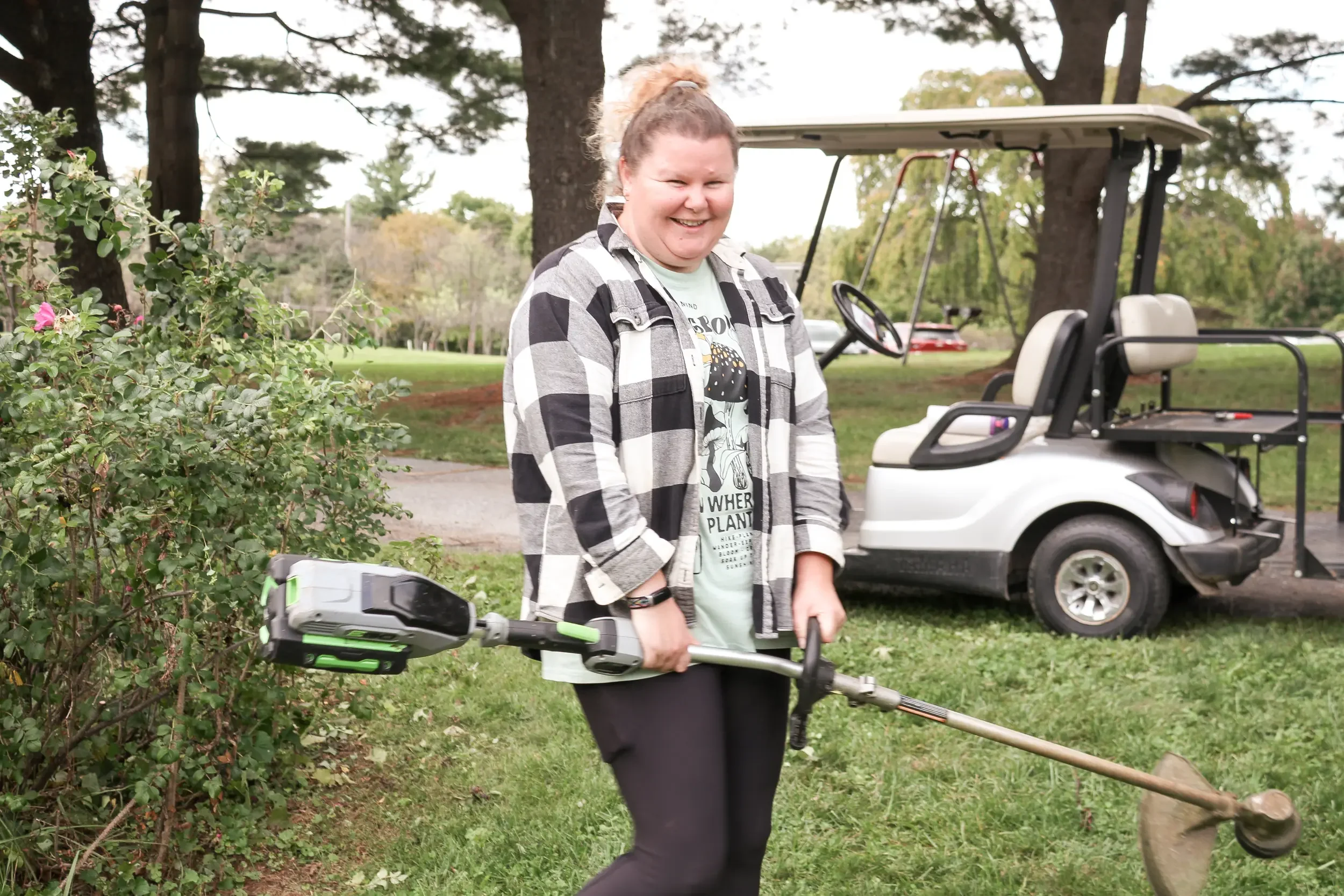
Lottie
Horticulture Instructor
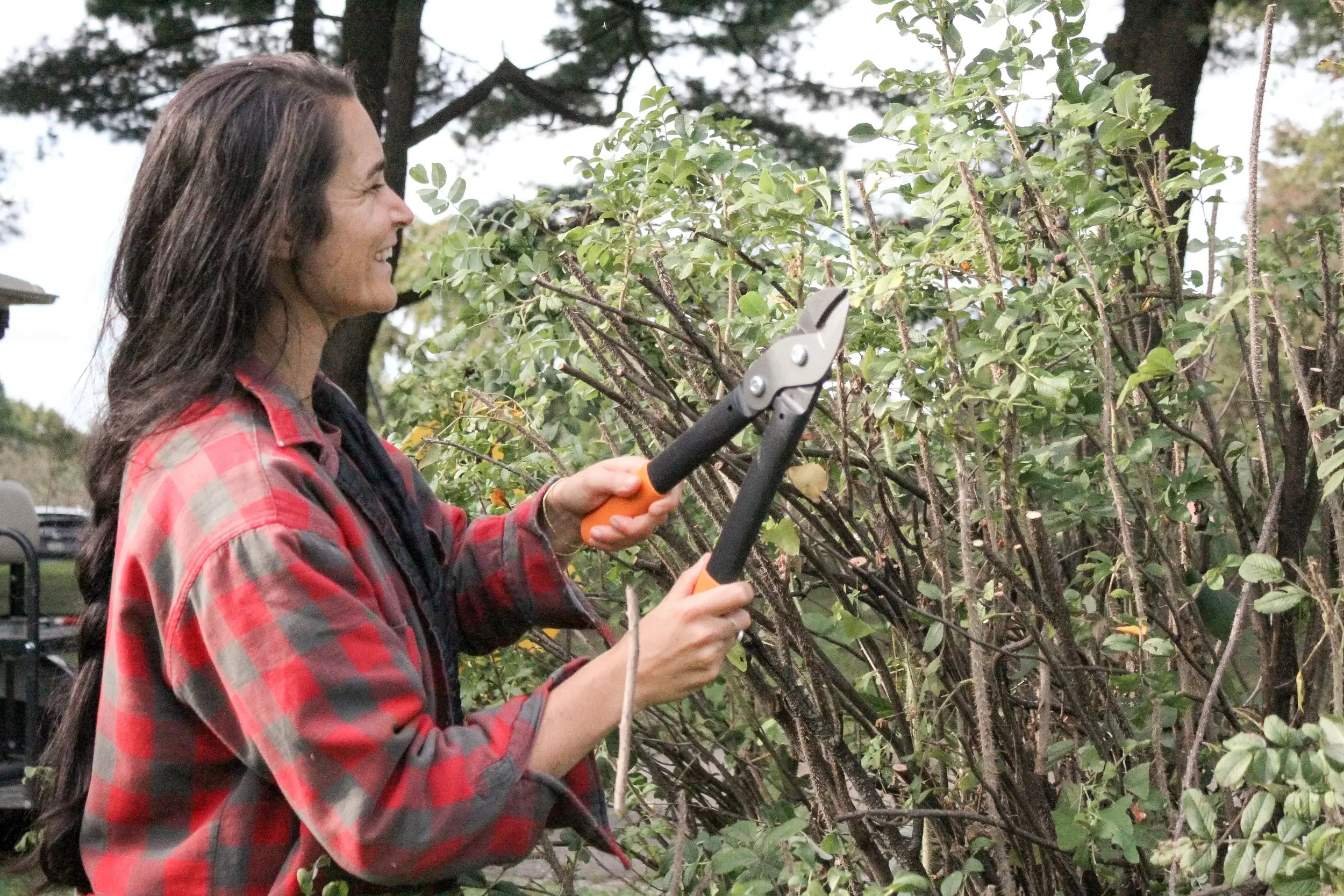
A Letter from our Director of Land Planning & Protection
Camphill Soltane is proud to launch its Horticulture Vocational Training, designed to bridge passion with professional pathways. This comprehensive training meets three days a week and focuses on real-world horticultural knowledge — from plant biology and soil science to irrigation and sustainable practices — coupled with professional development skills like teamwork, customer service, and interview readiness. The training is intentionally structured to prepare graduates to enter the workforce with confidence, competence, and a certificate that validates their achievements.
What sets this program apart is its deep commitment to accessibility and individualized learning. With sensory-friendly tools, adaptive pacing, and small class sizes, students receive tailored guidance that honors diverse learning styles and needs. Learners cultivate competencies in orchard care, greenhouse production, and garden design, all while being supported by experienced growers who foster confidence and independence.
Camphill Soltane’s horticulture initiatives echo the organization’s broader mission: to create inclusive spaces where every person can contribute meaningfully and be seen for their unique gifts. The vocational program builds on decades of experience offering supported work, volunteer opportunities, and integrated social enterprises in Soltane’s horticulture, Café, arts, and hospitality ventures. By embedding skill-building in a life-affirming community, Soltane helps participants step boldly into futures defined by capability, purpose, and joy.
Beyond the garden and greenhouse, the Camphill Soltane campus is alive with collaboration and creativity. The horticulture programs intersect with community events, seasonal celebrations, and shared traditions that reinforce dignity, respect, and shared purpose. As the vocational training program takes root in 2026, Camphill Soltane continues to expand its role as a living example of how care farming can nurture both land and human potential — offering an empowering model for inclusive, nature-based vocational pathways.
Alyssa Scarborough
Director of Land Planning & Protection

Horticulture Program FAQ’s
-
Students enrolled commit to a a full growing season from April through October meeting 3 days a week for 4 hours a day.
-
Our student to instructor ratio is 3:1 to ensure the highest quality personalized instruction possible.
-
We offer focus areas in native plant landscaping, greenhouse operations, and orchard care.
-
This is a physical role where participants will be in the garden during all seasons. We have a dedicated golf cart to make transitions as smooth and accessible as possible across varying terrain and campus learning spaces.
-
This program will work closely with local agricultural and horticultural partnerships to ensure appropriate and rigorous curriculum completion resulting in a Camphill Soltane Vocational Training Certificate.
-
The Academy is designed for adults with intellectual differences who are eager to discover their strength, develop practical skills, and prepare for meaningful employment. Whether you're exploring career possibilities, building confidence, or looking for a supportive environment to grow more independence, our academy offers an opportunity to learn through hands-on experiences. We recognize that every student has unique abilities, interest, and goals. Through our application and interview process, we take time to get to know you and determine whether our programs are a good fit for your aspirations and support needs.
-
At Soltane Career Academy, Learning goes beyond the classroom! Each day offers opportunities to gain practical experience, develop new skills, build friendships, and discover what you're capable of achieving. Students participate in hands-on vocational training while practicing valuable workplace skills, such as teamwork, communication, problem-solving, and responsibility. Set within our beautiful 43 acres, our welcoming environment, encourages meaningful connections, purposeful work, and personal growth. Every day is an opportunity to learn something new, contribute to a community, and take another step toward your future.
-
We believe everyone deserves the opportunity to pursue meaningful work, and a future filled with possibility. Here, students gain RealWorld experience while developing the technical, social, and professional skills that employers value. From building confidence and communicating effectively to practicing workplace expectations and problem-solving, our approach emphasizes learning by doing. We recognized that success looks different for everyone, and our goal is to help each student discover their strengths, become more independent, and take meaningful steps towards employment and a fulfilling adult life.
-
Students are expected to learn in all weather to prepare for all working conditions. We encourage appropriate clothing layers, hats, sunscreen, water, physical breaks, and indoor lesson plans when necessary to maintain a safe learning environment for all.